

TASK CONTEXT
WB Carpet is a CRM system for our partner that helps with data organization and storage, as well as internal company management.
WB Carpet helps our partner organize important cultural events - gala dinners, galas, concerts, exhibitions, and celebrity meetups.
The platform not only handles organization but also ensures the secure storage of our partner's data. We have ensured that all data is structured and easy and simple to use.
PROBLEMS
- Chaotic storage of event data
Data on celebrity dinner parties, gala evenings, concerts, exhibitions, and meetups is scattered and unstructured. The partner spends time searching for information and risks losing important data.
- Complexity of event management
Organizing cultural events requires the coordination of many processes (guests, contractors, venues, schedules). Without a unified system, management becomes chaotic, which leads to failures and errors.
- Security risks when storing sensitive data
Partner data (including information about celebrities, contracts, and VIP guests) requires reliable protection. The lack of secure, structured storage creates a risk of leaks and compromise.


LIMITATIONS
Limitation #1. High data security requirements
The system handles sensitive data (celebrities, contracts, VIP guests), therefore strict access control, encryption, and activity auditing are required. Design cannot simplify these mechanisms to the detriment of security.
Limitation No. 2. Integration with external partner systems
The CRM must exchange data with the partner's ticketing systems, venue calendars, mailing services, and financial systems. The design must account for different data formats and potential integration delays.
Constraint No. 3. Different user roles within the company
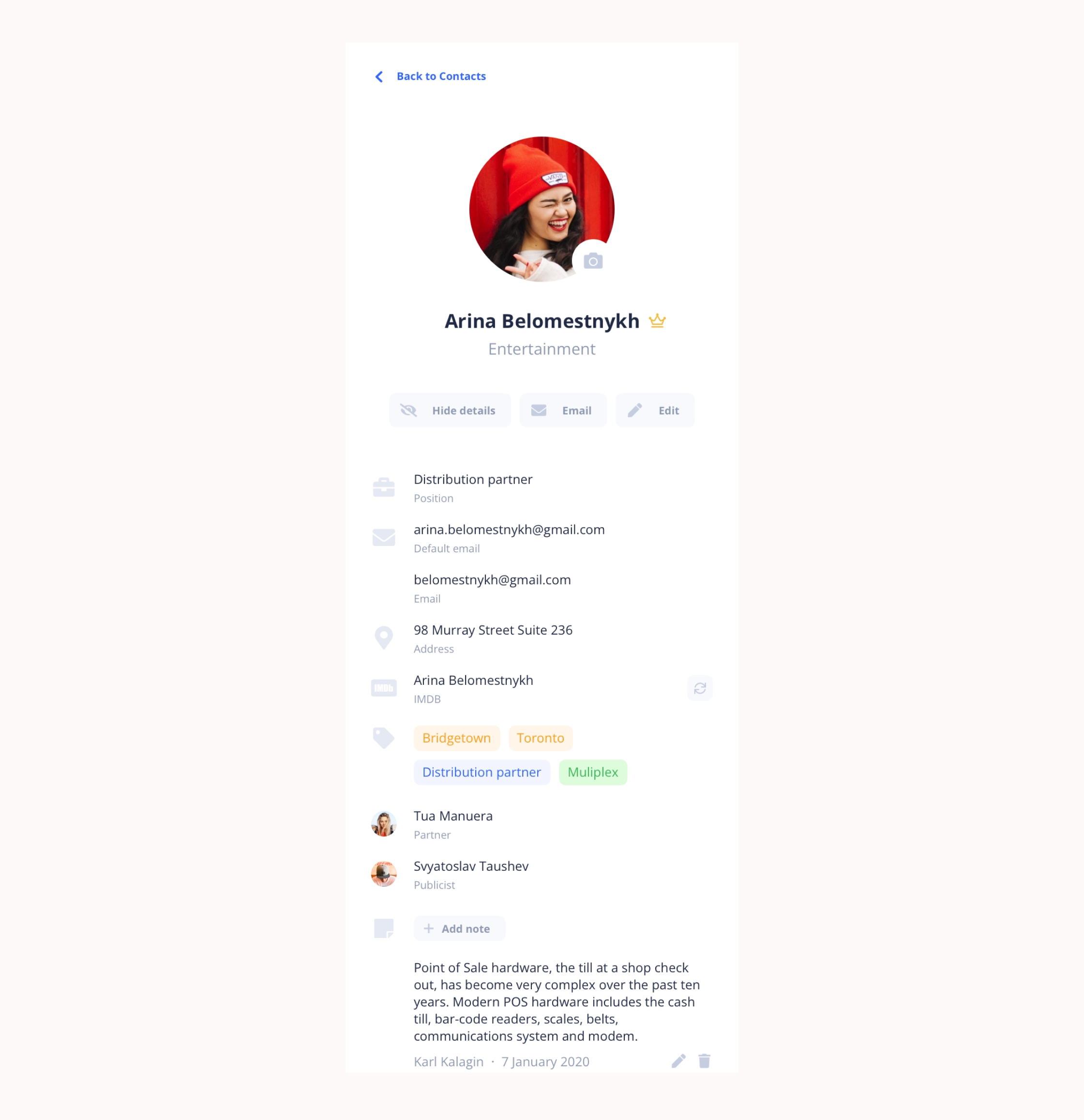
The system is used by event managers, administrators, accountants, and management — each has their own tasks and level of access. The interface should adapt to the user's role without overwhelming them with irrelevant functionality.
GOALS
- Centralized data storage
Consolidate all event data (guests, contractors, venues, contracts) into a single structured system with quick search capabilities.
- Simplification of event management
Create a unified interface for managing all stages of event preparation and execution (from planning to post-event reporting).
- Security of sensitive data
Ensure reliable encryption, access control, and activity auditing to protect information about celebrities and VIP guests.
- Adaptation for different roles
Design an interface that changes depending on the user's role (manager, administrator, accountant, executive), displaying only the necessary tools.
- Integration with external services
Ensure seamless data exchange with ticketing systems, venue calendars, mailing services, and the partner's financial services.


MY ROLE
In the WB Carpet project, I acted as a UX/UI designer. My tasks included: creating an information architecture for storing event data, designing interfaces for various roles (managers, administrators, accountants), developing dashboards for event monitoring, and ensuring the security of sensitive data through access rights design.
HYPOTHESES
Hypothesis No. 1. Structured storage speeds up search
If all event data is organized in a single system with filtering and search capabilities, the time spent looking for necessary information will be reduced by 60–70%, because the data will no longer be fragmented.
Hypothesis No. 2. A unified dashboard simplifies management
If you create a unified dashboard with all the stages of event preparation (tasks, guests, contractors, budget), the number of failures and errors during organization will decrease by 40%, because the manager sees the full picture in one place.
Hypothesis No. 3. Role-based interface reduces overload
If the interface adapts to the user's role (manager, accountant, administrator), the time required to complete routine tasks will be reduced by 30–40%, because the user is not distracted by irrelevant functionality.
Hypothesis No. 4. Activity auditing increases security
If you implement an activity log (who viewed/edited what and when) and show it to administrators, the number of unauthorized access incidents will decrease by 70% because users know that their actions are being tracked.
Hypothesis No. 5. Integration with calendars prevents conflicts
If you integrate the CRM with venue calendars and external systems, the number of double bookings and scheduling conflicts will drop to zero, because the system will not allow an event to be created during an already occupied time slot.
Hypothesis No. 6. Event templates speed up creation
If you add templates for frequent event types (gala evening, concert, exhibition) with pre-set tasks and checklists, the time required to create a new event will be reduced from 1 hour to 10 minutes, because you don't have to start from scratch every time.
KEY SOLUTIONS
Solution No. 1. Unified repository with a hierarchical structure
Create a centralized data registry, divided by entities: events, guests (with VIP/celebrity categories), contractors, venues, contracts. Everywhere — quick search, filters, and linking documents to objects.
Solution No. 2. Event management dashboard with a Kanban board
Develop a main management screen where each stage of an event (planning → preparation → execution → post-reporting) is represented as Kanban columns with tasks, deadlines, assigned personnel, and checklists.
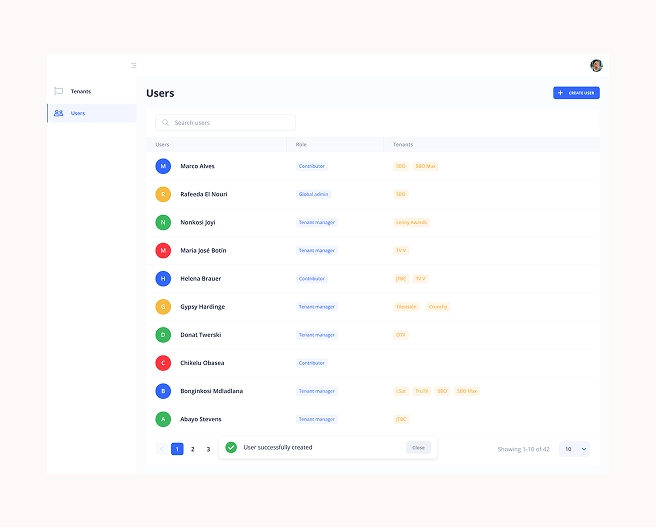
Solution No. 3. Role-based interface with flexible access rights
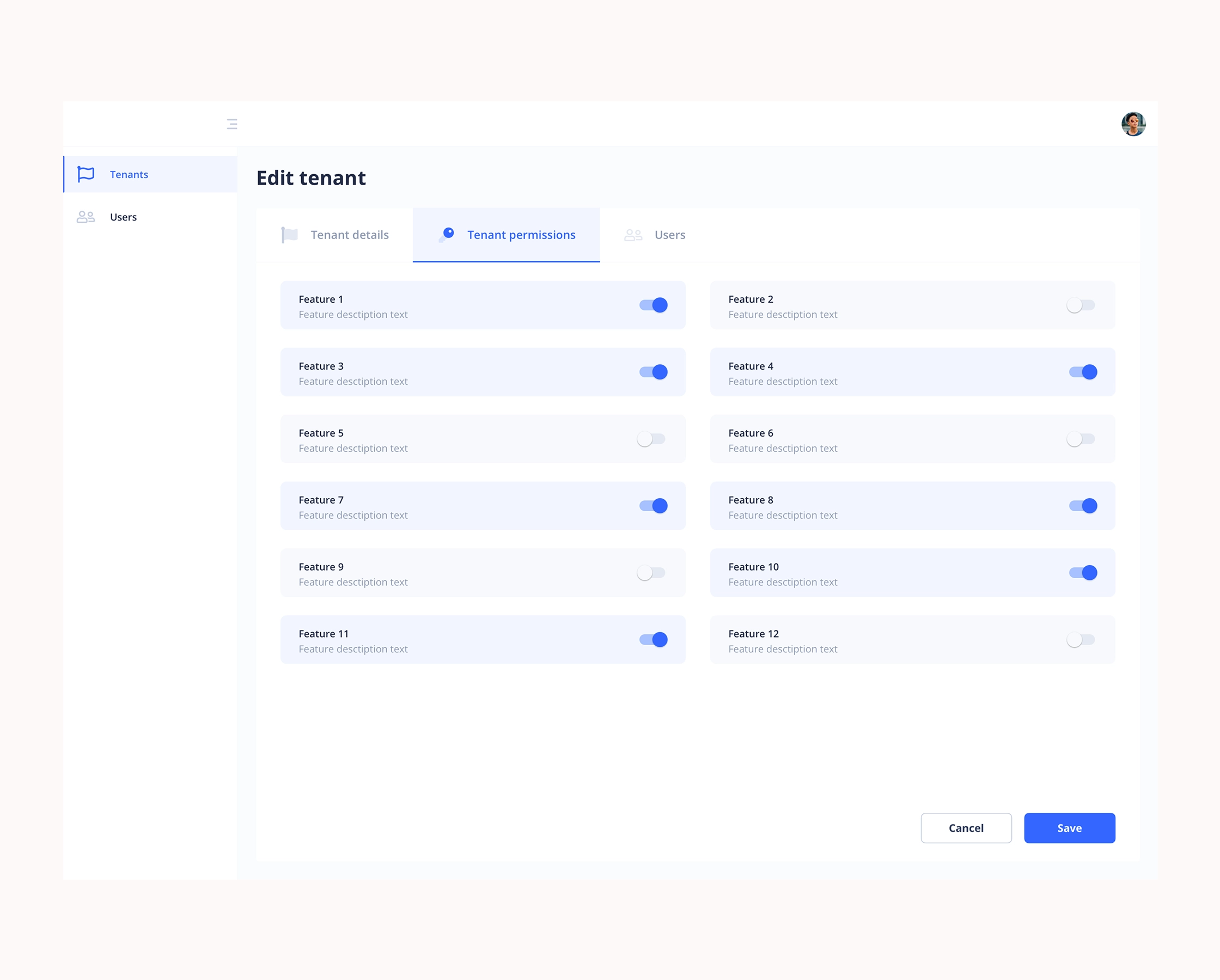
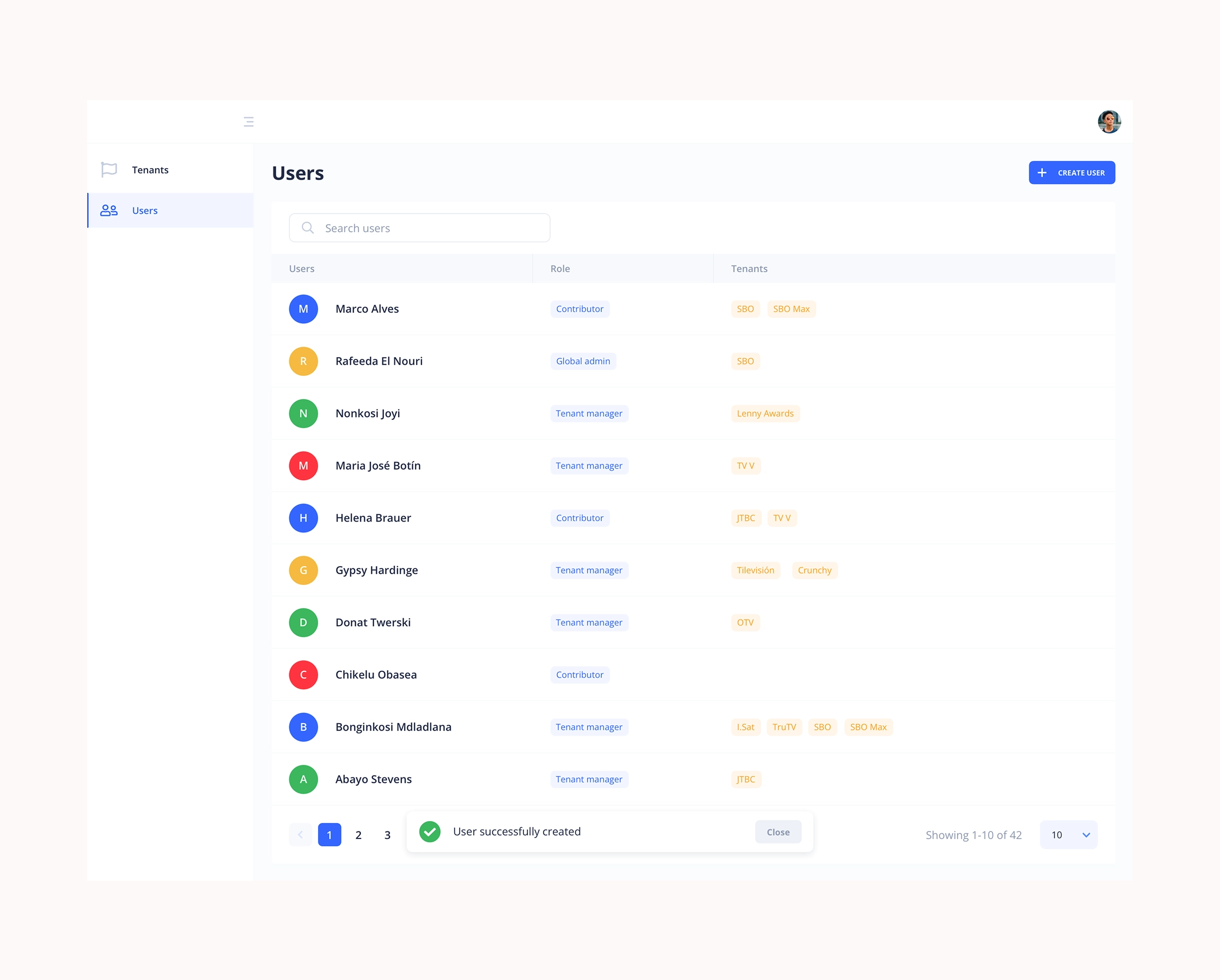
Design a role system (manager, administrator, accountant, management), where each has its own set of visible sections and available actions. The interface dynamically adapts to the role, hiding irrelevant buttons and tabs. The administrator sees a complete log of all actions.
RESULTS
Result No. 1. Accelerating information retrieval
The time spent searching for data on events, guests, contractors, and contracts has been reduced by 60–70% due to a unified hierarchical storage structure, filters, and quick search.
Result #2. Reduction of errors in event organization
The number of failures and errors (scheduling conflicts, forgotten tasks, uncoordinated contractors) decreased by 40% — thanks to a unified dashboard with a Kanban board and checklists, where the full status of preparation is visible.
Result No. 3. Increased employee efficiency
The time required for managers to complete routine tasks has been reduced by 30–40% — the interface is adapted to the user's role, removing irrelevant functionality and displaying only the necessary tools.
Result No. 4. Enhanced data security
The number of unauthorized access incidents decreased by 70% due to role-based access control, encryption of sensitive data (celebrities, VIP guests, contracts), and a full audit of user actions.